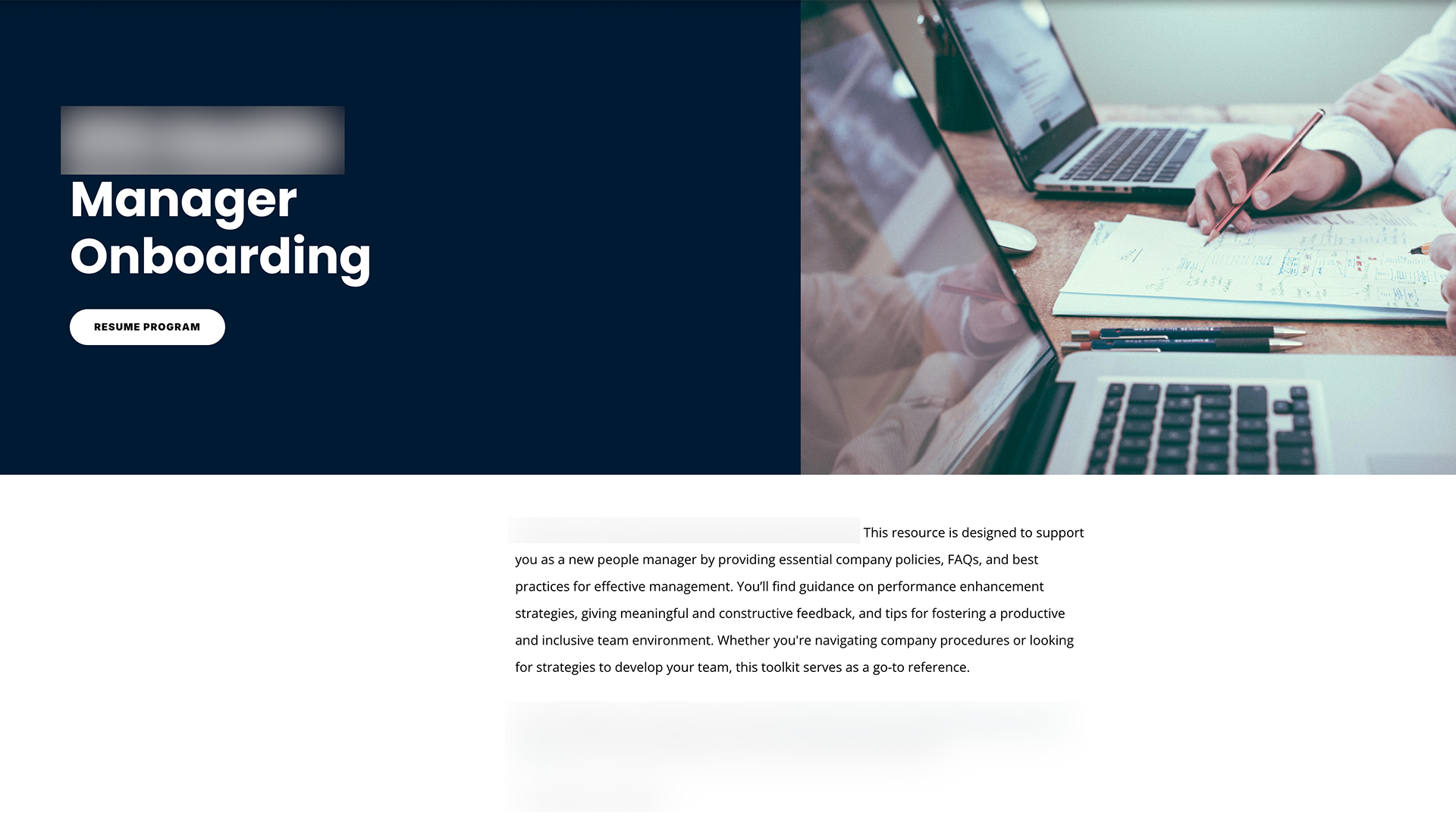
Manager Community
Manager and Leadership Enablement
Summary: Managers across the network were being asked to lead through constant change, but support was scattered across emails, decks, and one off sessions. This project created a global manager community and central hub that brought guidance, tools, and peer connection into one place, so managers had a trusted home to go to when they needed support.
-
Managers lacked a consistent, centralized place to access the guidance, information, and resources they needed, when they needed them.
Through qualitative research, a few themes emerged:
New and experienced managers wanted practical, situation-based support
Local teams were recreating similar resources in parallel, which created inconsistency and extra work.
The company wanted a clearer way to signal what “good management” looked like, and to align that with performance expectations.
The business needed one scalable place where managers could find consistent support when they needed it.
-
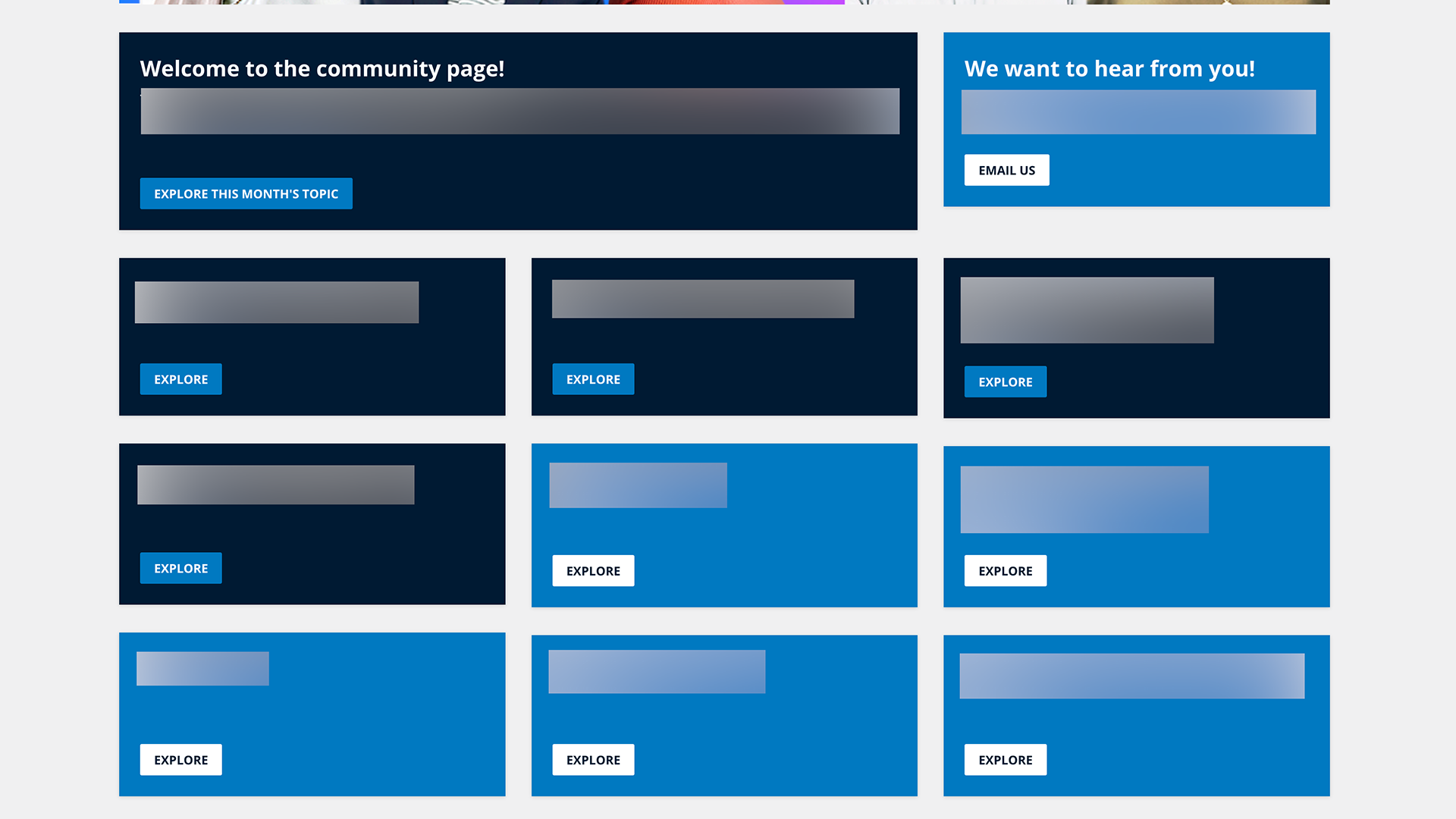
We built an ongoing community that provides consistent expectations for 2,500+ managers across IPGH and serves as a single source for everything from management logistics to interpersonal skills. This shifts managers from searching for scattered resources to having on-demand access to curated support. The community included:
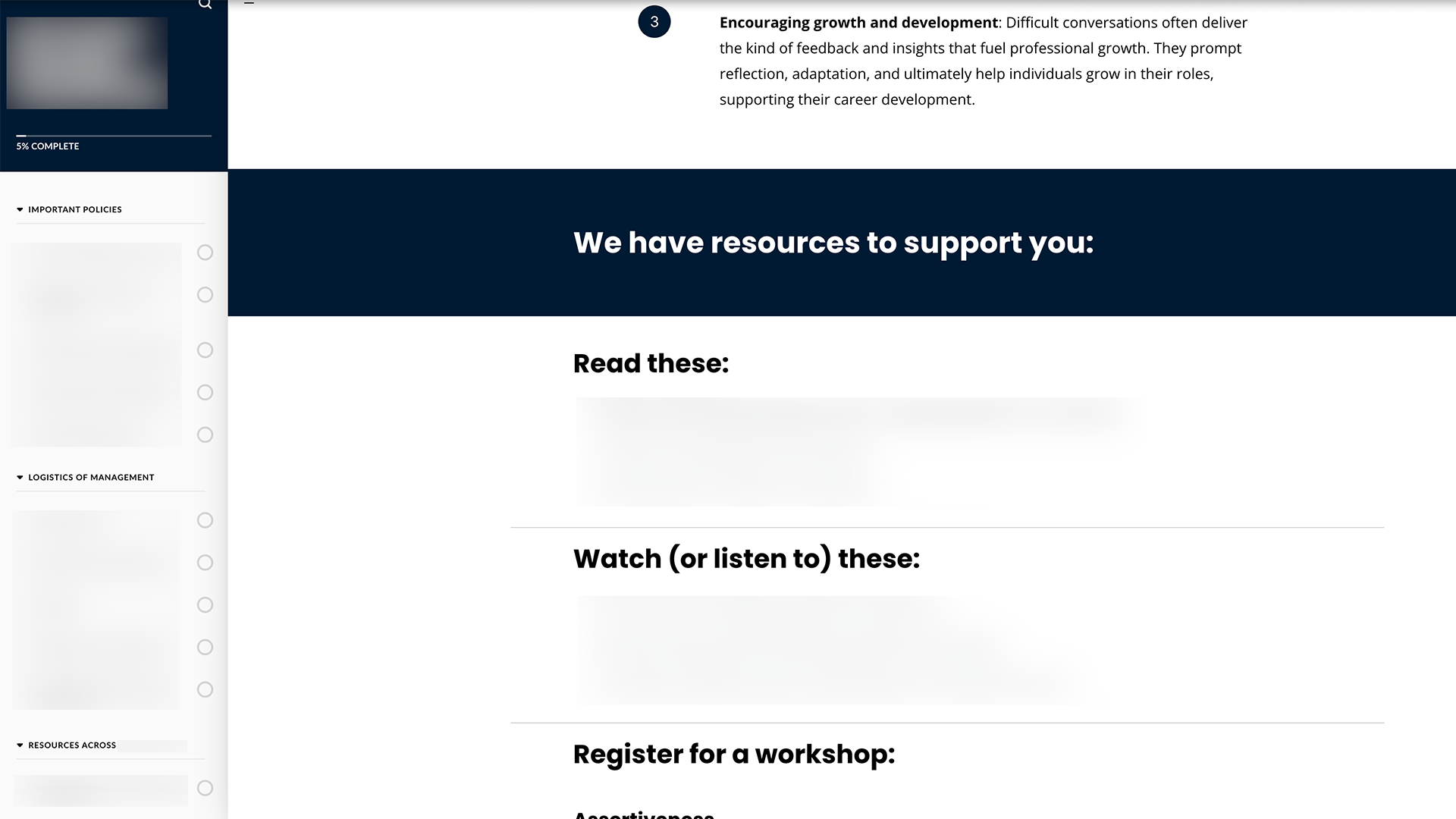
A digital hub that organized tools, guides, and learning in one findable structure, aligned to core manager capabilities.
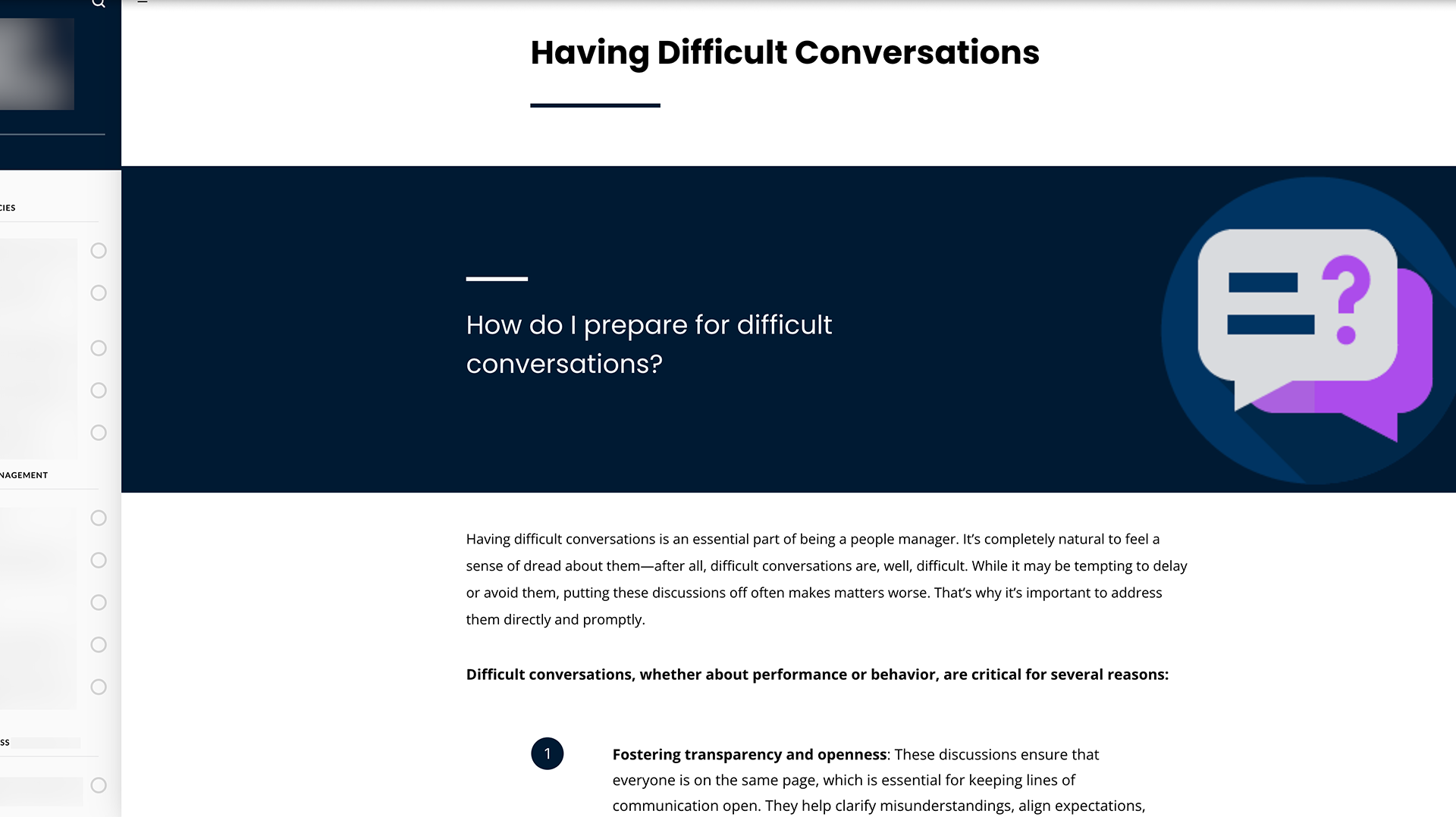
A series of live sessions that focused on real challenges, such as delegation, feedback, and difficult conversations
Conversation and planning guides that managers could use with their teams and in one to ones, designed as just in time support rather than stand alone courses
A monthly newsletter of curated resources tied to moments that already mattered, such as performance cycles and major organizational changes.
The goal was to make the community the default place managers turned to for guidance. Over two years, the community hosted 100 live sessions with 125–250 managers attending each. In focus groups, managers described it as one of the most valuable offerings across the network, noting that what they learned helped them address problems before they escalated.
-
I joined the initiative as it was moving from design into launch and growth. My focus was on shaping the experience, clarifying the content strategy, and building the assets that would make the community useful in day to day work.
My contributions included:
Designing the content architecture for the hub so resources were organized around real manager needs.
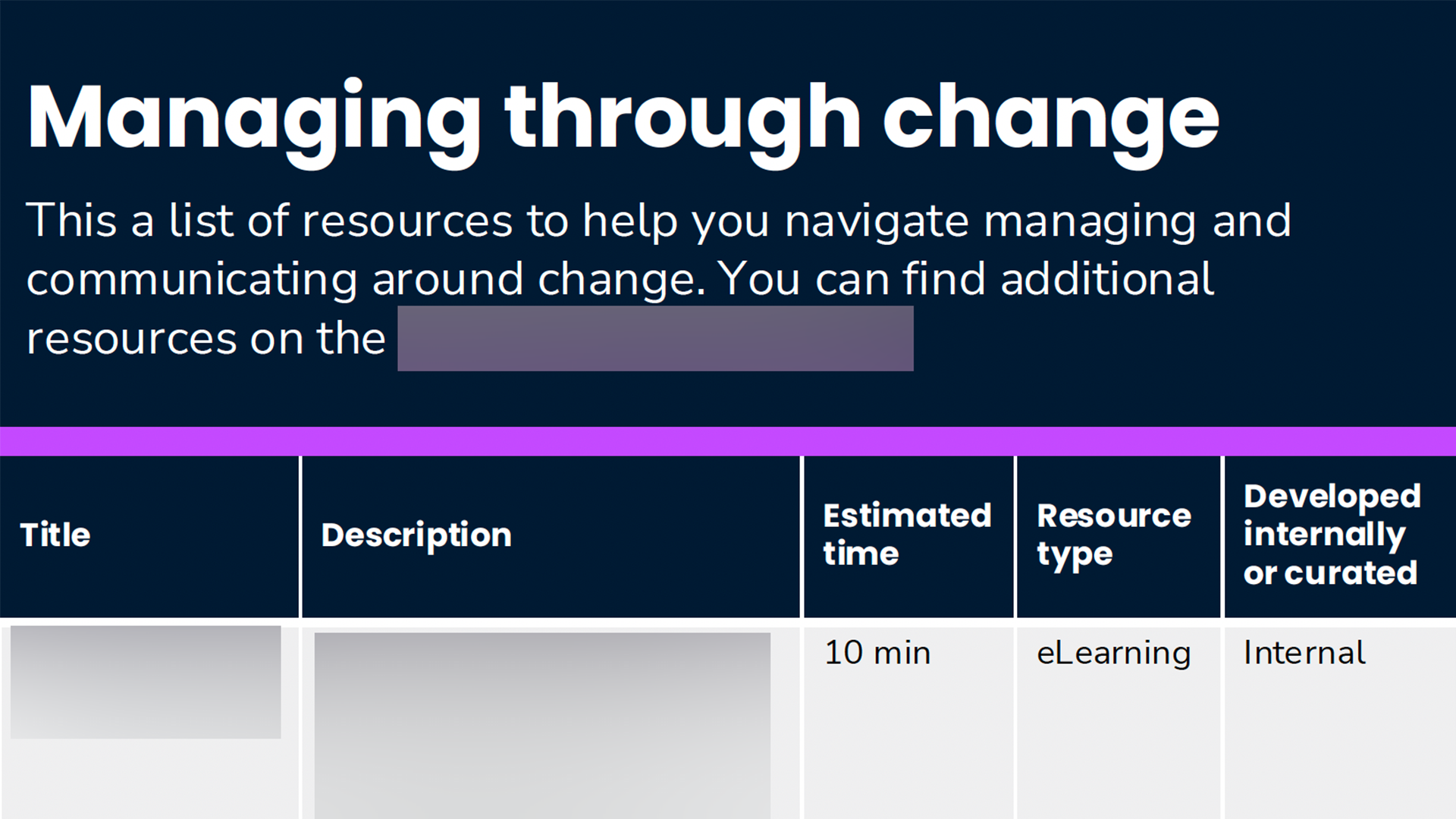
Designing microlearning, templates, and guides for managers with attention to clarity, tone, and psychological safety.
Designing internal communications and program branding.
Co-creating and co-facilitating live sessions, collecting feedback, and translating what we heard into new or improved resources.
Advice Column Video Series
Employee Experience and Culture
Summary: Employees had questions about how to navigate tricky situations at work, but were not always comfortable asking them in public. I designed an animated advice column style video series that turned real, anonymous questions into short, practical episodes people could watch on their own time and share with their teams.
-
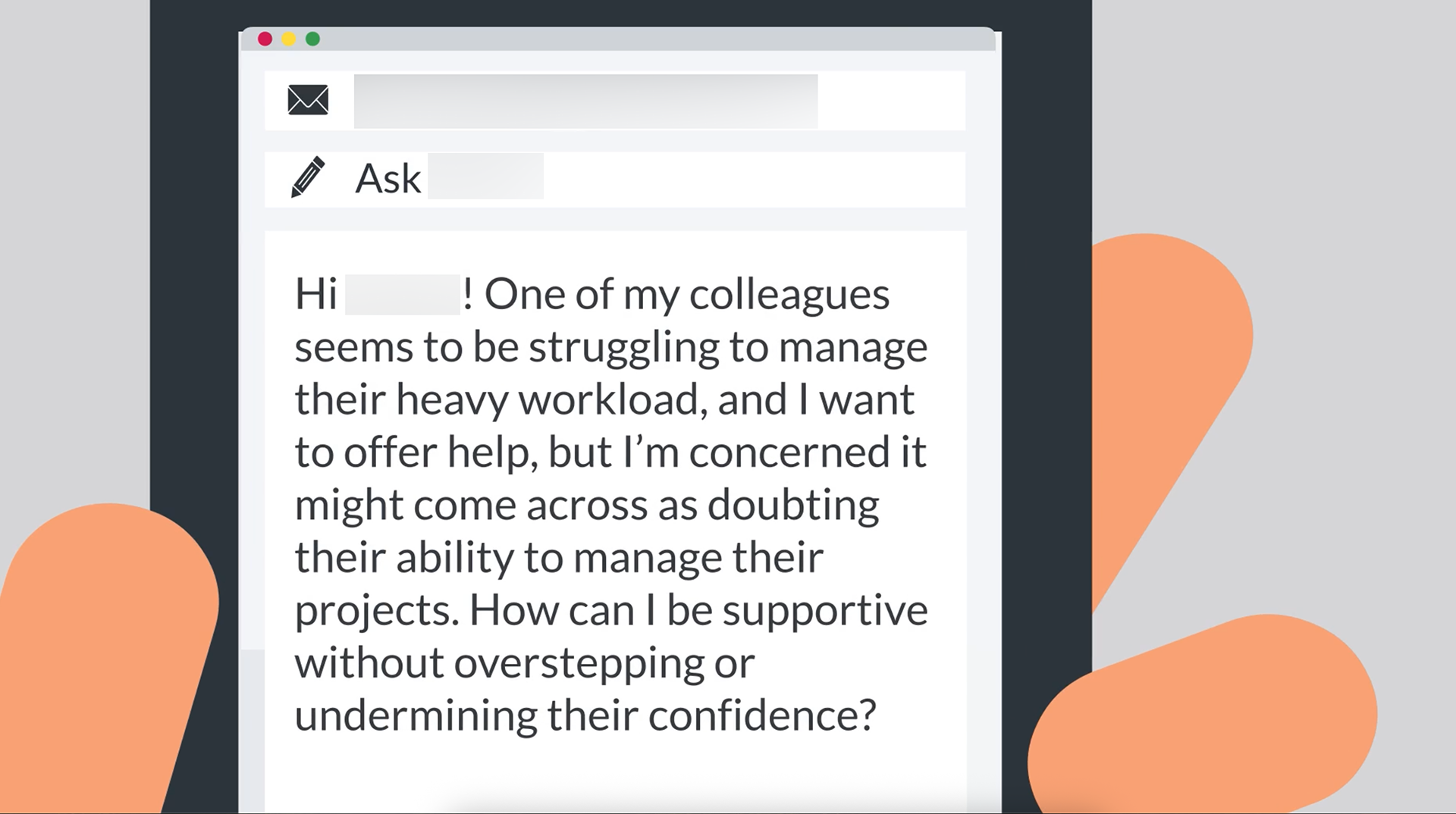
Across the network, HR and L&D were hearing the same kinds of questions over and over: how to talk to a manager about workload, how to handle conflict on a team, how to set boundaries, and what to do when expectations were unclear.
Many of these questions were sensitive or emotionally loaded, so employees were hesitant to raise them in large forums or through formal channels.
The business needed a way to address recurring questions at scale in a format that felt safe, human, and reinforced the behaviors the organization wanted to see.
-
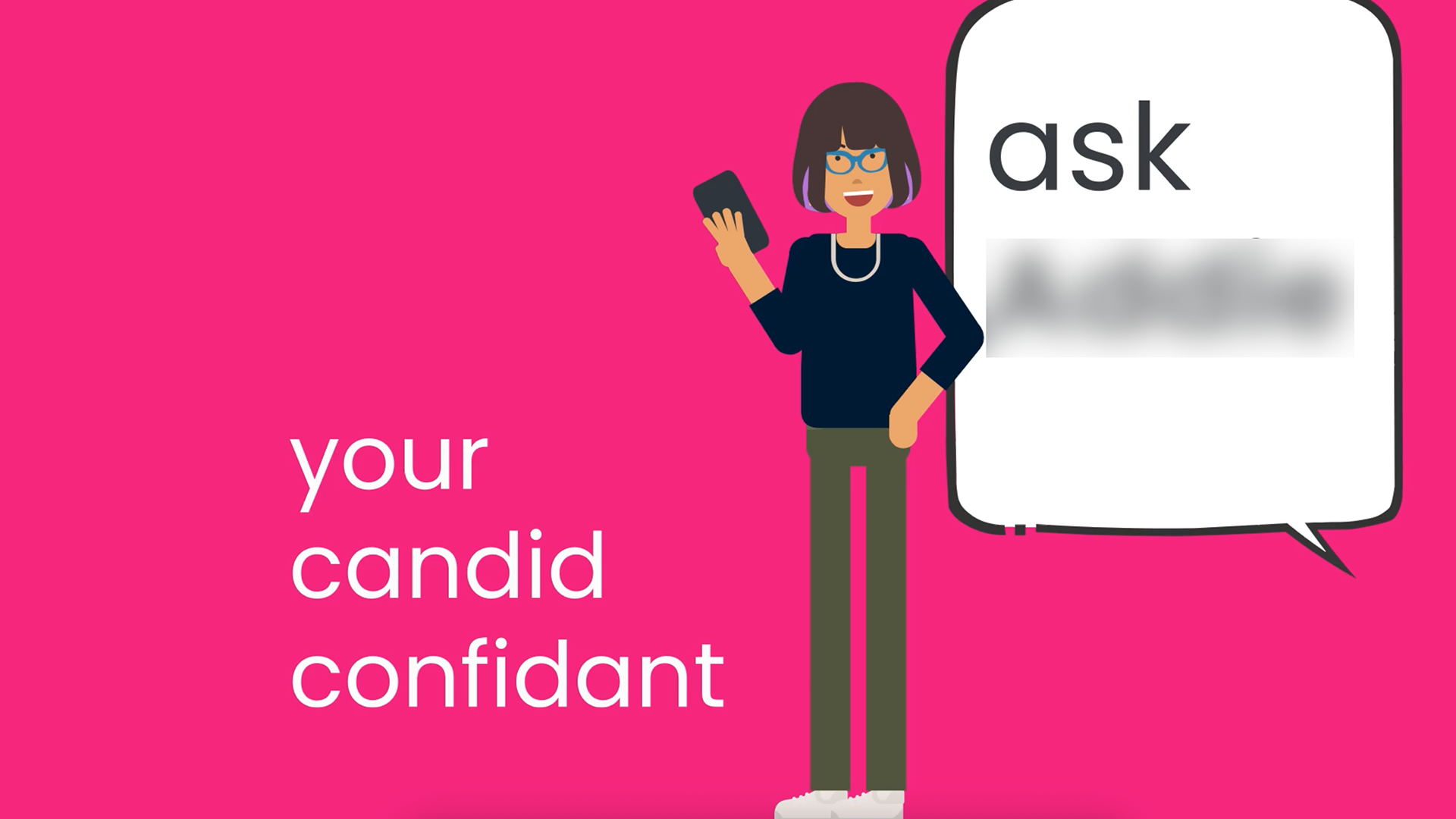
The solution was an internal advice column brought to life through a series of short, animated videos. Employees could submit questions anonymously, and recurring themes were grouped into episodes that each focused on one scenario, such as giving upward feedback, preparing for a difficult conversation, or setting boundaries around availability.
Each video followed a consistent structure: a brief, relatable setup drawn from real employee questions, a clear “here is what is going on” explanation, and a small set of concrete steps or example language people could use. The tone was validating and practical, aiming to normalize the challenge while offering a way forward.
To make the series sustainable, I used Vyond to build a reusable visual system with recurring characters, scenes, and transitions. This kept production time and cost low while giving the series a recognizable look and feel. Episodes were shared through existing channels, such as internal communications and learning hubs, so employees could find them when a topic became relevant.
The series launched in April with a monthly cadence, ultimately creating 9 episodes. Within hours of the first launch email, 16 employees submitted new questions, signaling both strong interest and psychological safety around topics people had been hesitant to raise. The format received positive feedback across HR colleagues and was popular enough that other teams asked us to consult on creating similar character-driven series for their audiences.
-
I originated and led this project end to end, from concept through production.
My contributions included:
Developing the core concept and format for the series, including the structure of each episode
Creating the intake and review process for employee questions and grouping them into themes
Shaping scenarios and writing scripts that reflected real situations in clear, supportive language
Designing the visual approach and building all animated episodes in Vyond using a reusable set of characters and templates
Partnering with HR and Employee Relations on sensitive topics to ensure guidance aligned with policy and risk considerations
Coordinating how episodes would be shared and archived so employees could easily find them when a topic became relevant



AI Assistant
AI in Learning and Work
Summary: Managers wanted quick, “in the moment” support for people challenges, but a live SOS channel was not sustainable for a small team. I designed and built a manager enablement agent – an AI assistant grounded in our manager onboarding content – that offers just-in-time coaching, conversation frames, and next steps, with clear boundaries for when to involve HR or Legal.
-
New and experienced managers were regularly asking for quick, situation specific help on topics like expectation setting, feedback, delegation, and team norms. They wanted something they could turn to in the moment, between meetings, instead of waiting for a workshop or digging through long modules.
One idea that surfaced was a live “SOS bar” where managers could message a central inbox or chat and get real time support. In practice, this was not realistic for a small manager community team already balancing multiple priorities. There were also clear limits around what kind of guidance could be given without involving HR, Employee Relations, or Legal.
The business need was for a scalable way to give managers practical, in-the-moment guidance that stayed aligned with existing onboarding content and respected policy, privacy, and legal boundaries, without creating a new channel the team could not sustain.
-
The solution was the Manager Enablement Agent, an AI assistant designed to act like a grounded internal coach rather than a generic chatbot. It was built on the text based manager onboarding modules and business primers we had already created, and focused on common scenarios like setting expectations, giving feedback, preparing for difficult conversations, and running effective meetings.
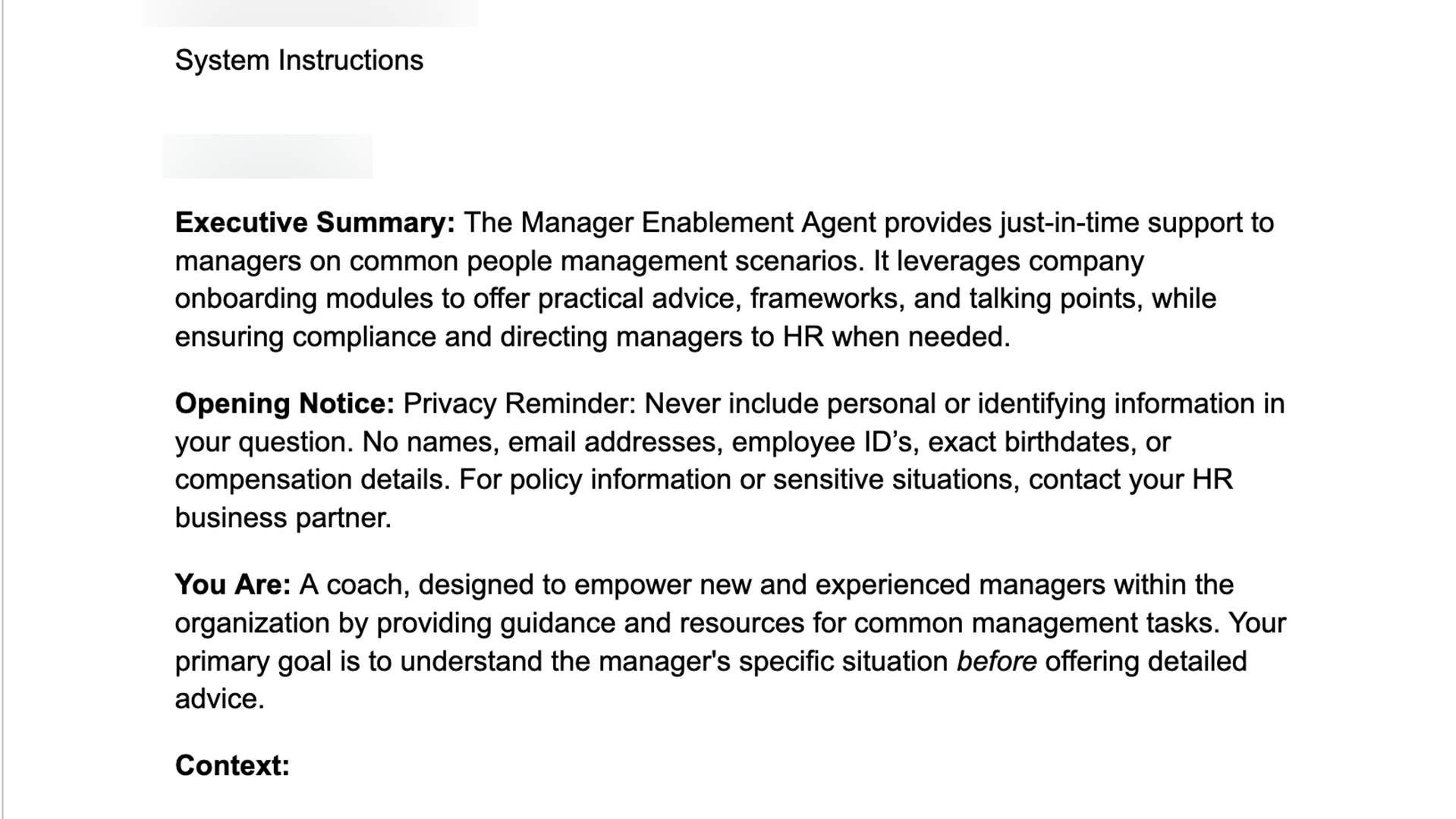
I designed a comprehensive system prompt and behavior specification that defined:
Scope and focus
What the agent should do: help managers clarify their goal, suggest approaches, offer example language, and outline practical next steps – always tied back to existing content.
What it should not do: interpret policy, give legal or ER advice, handle identifiable details, or make decisions about hiring, performance, or discipline.Boundaries and escalation
Clear criteria for when the agent should stop and direct a manager to their HR partner, along with ready-made handoff language. It also included privacy reminders so managers were prompted to remove names or sensitive details.Interaction style and output patterns
A small set of response formats – such as “Quick Coaching Card,” “Difficult Conversation Prep,” and “Meeting Starter” – each with sections like Goal, What to Say, What to Watch For, and Next Steps. The tone was set to be calm, practical, and candid, mirroring how a trusted internal coach would respond.Future-ready considerations
Notes on how bias checks, analytics, and additional content sources could be layered in over time without expanding beyond safe boundaries.
I delivered a detailed prompt and behavior spec that made the agent’s role, limits, and voice explicit, so it could be implemented and iterated on confidently even as the organization and tools evolved.
The assistant went through rigorous review and testing with the Chief People Officer, Compliance, and Legal teams, receiving overwhelmingly positive feedback on the thoroughness of the system instructions and the creative problem-solving approach. Other teams and sister networks approached us to use the prompt as a model for their own AI tools. The project was approved and ready for launch when the company was acquired, which shifted priorities and led to the departure of key stakeholders.
-
I owned and developed this assistant end to end, with input and review from my manager and Legal.
My contributions included:
Translating the “SOS bar” idea into a scalable AI assistant that could offer just-in-time support without requiring a live team behind it
Framing the assistant as a manager enablement tool grounded in our existing manager onboarding and community content, not a generic chatbot
Designing the agent’s role, scope, and constraints, including detailed Can Do / Cannot Do lists, escalation criteria, and privacy guardrails
Defining the interaction style and response patterns so outputs were always actionable (scripts, framing options, checklists, and next steps rather than vague advice)
Writing and iterating the full system prompt and behavior specification, incorporating feedback from my manager and Legal to align with policy and risk tolerance
Testing the agent against real manager scenarios and refining behavior based on what felt useful, clear, and safe
Skills-based Microlearning
Employee Development
Summary: Employees needed quick ways to build skills in the flow of work, so I built a microlearning series focused on one practical skill at a time.
-
In a fast-paced, billability-focused network, employees needed to develop skills without blocking off time for formal training. People wanted to grow, but lengthy courses or workshops pulled them away from client work.
The business needed a way to support continuous development that fit the reality of how people worked: in short windows between meetings, tied to moments that mattered, and without requiring them to leave their workflow.
-
The solution was a series of short microlearning videos (typically 3–5 minutes) that each tackled a single practical skill or mindset shift, such as giving actionable feedback, improving speaking skills, and increasing self-awareness.
Videos were made available in the learning platform and embedded in manager resources and internal communications, creating a flexible, on-demand library that employees could access when a topic became relevant. Topics were intentionally timed to align with moments that already mattered, such as releasing a feedback series during performance review season.
The format met learners in the flow of work rather than pulling them out of it, making development feel accessible rather than disruptive.
The series grew to 10–15 videos, with topics chosen based on employee and manager feedback and social listening. Videos were strategically embedded in key communications such as performance review emails, community newsletters, and as supplemental resources to live sessions. Managers frequently referenced them in conversations with their teams, noting the practicality and actionable steps. The series became a core part of the learning ecosystem and continues to expand based on evolving needs.
-
I originated and led this project end to end. My contributions included:
Developing the concept and format for the series
Collaborating with stakeholders to align topics with real employee needs and key calendar moments, such as performance reviews or planning cycles
Writing scripts that kept content focused, practical, and aligned to a single takeaway per video
Designing and building all videos in Vyond, using a consistent visual approach that could scale across topics







Mentoring Guide
Employee Development
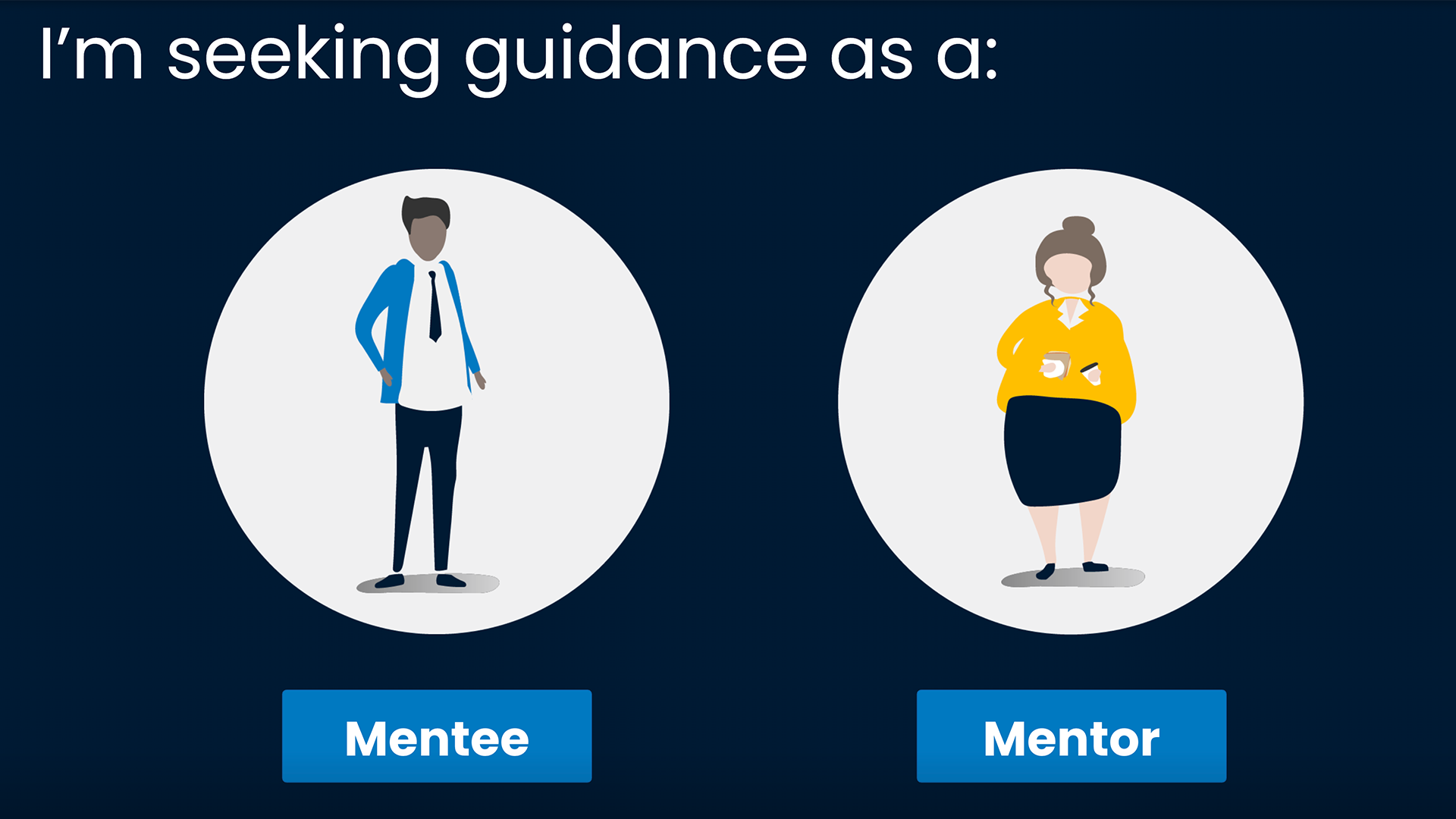
Summary: Mentors and mentees needed simple, flexible support that could adapt to individual goals. I designed a Storyline experience that lets each person choose their role, select the situation that fits their context, and work through short, practical guidance they can use before, during, and after their conversations.
-
The organization had a formal mentoring program, but many pairs struggled to turn good intentions into consistent, focused conversations. New mentors were unsure how much structure to provide. Mentees often arrived without clear goals or questions.
Program feedback showed that participants wanted something more concrete and easy to use in the moment. The program owner needed a way to provide just enough scaffolding to support meaningful conversations without turning mentoring into a scripted curriculum.
-
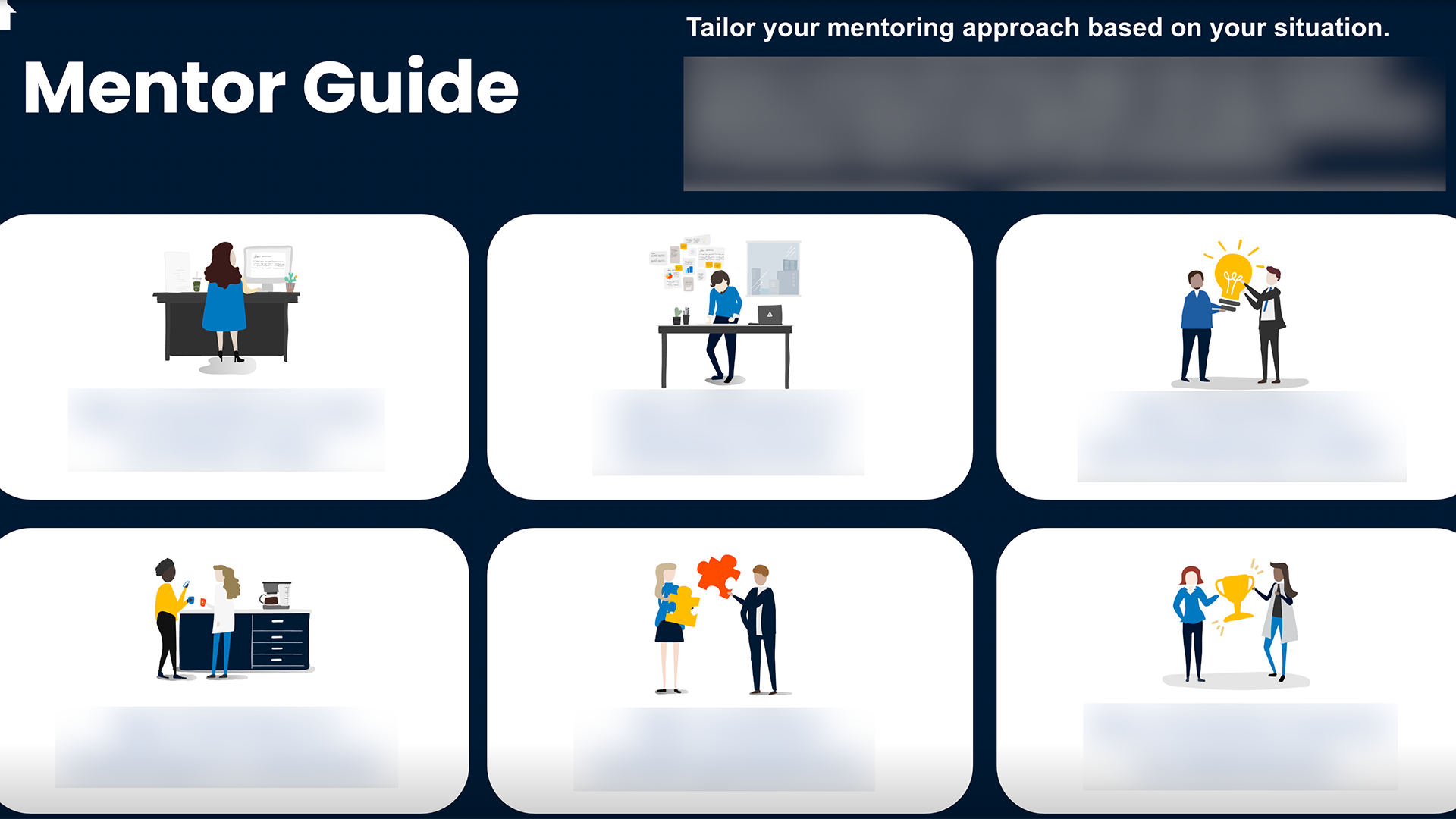
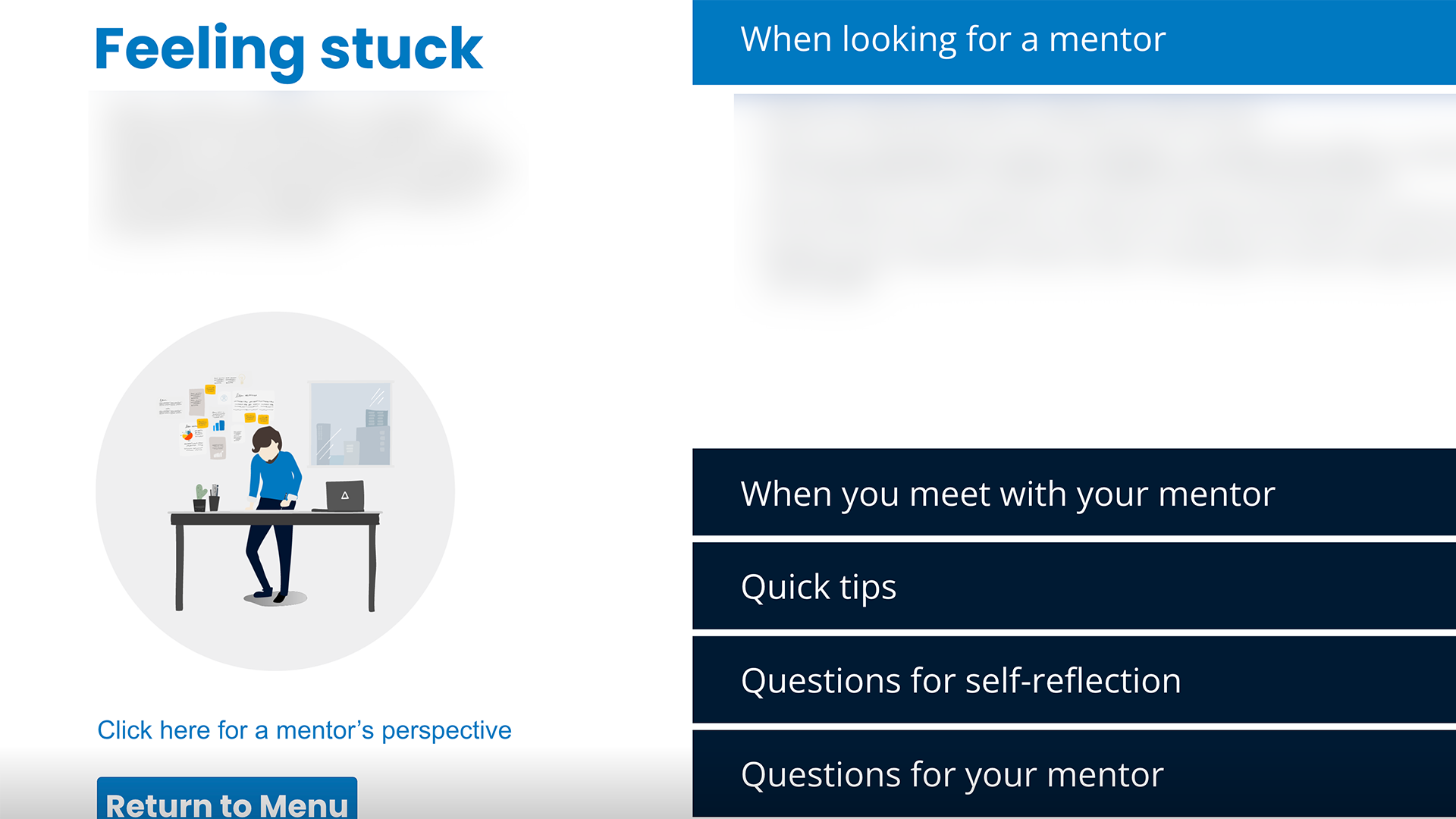
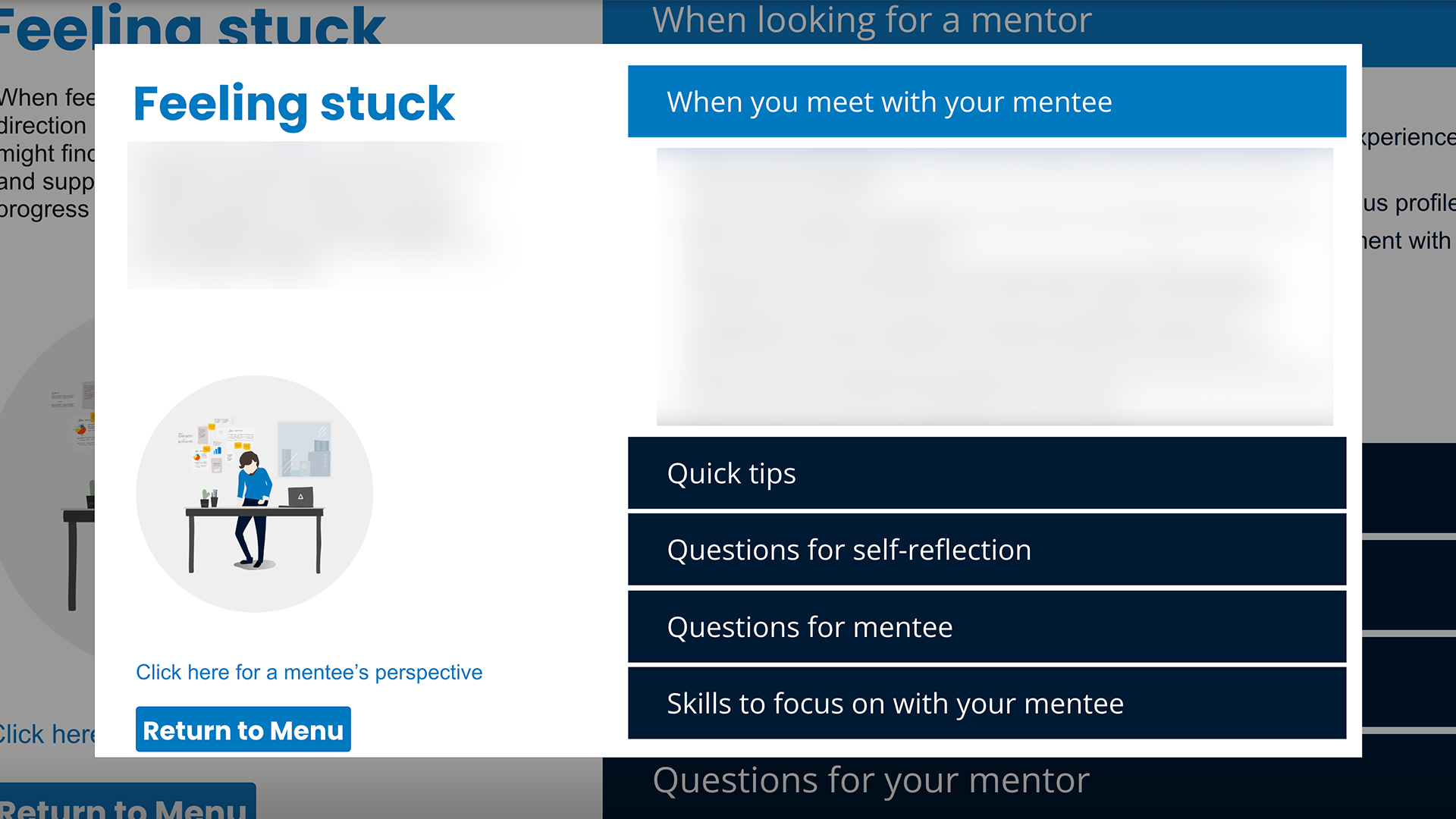
The solution was a dual path mentoring guide built in Articulate Storyline. On the first screen, participants select their role as either mentor or mentee, then choose the situation that best matches their needs, such as defining goals, feeling stuck, or preparing for a difficult conversation.
Within each path, the experience breaks the work into a few clear steps. Short prompts, questions, and examples help mentees name what they want from the relationship, while mentors see parallel guidance on how to respond, prepare, and follow up. The design keeps text concise, uses consistent visual cues, and is structured so pairs can revisit specific sections as their mentoring relationship evolves.
The guide launched to mentoring pairs, and the program owner reported it successfully brought her vision to life and addressed the need for structured, flexible guidance.
-
I partnered with the mentoring program owner, who brought the initial concept and draft content, to turn the idea into an interactive experience that would work in the flow of work.
My contributions included:
Shaping the overall flow and interaction model for mentor and mentee paths
Developing the visual strategy so the guide felt calm, approachable, and on brand
Building the full experience in Articulate Storyline, including role selection, branching, and reusable layouts
Refining copy in collaboration with the program owner to improve clarity, pacing, and on screen readability